SIEM – Security Information and Event Management

SIEM – Security Information and Event Management

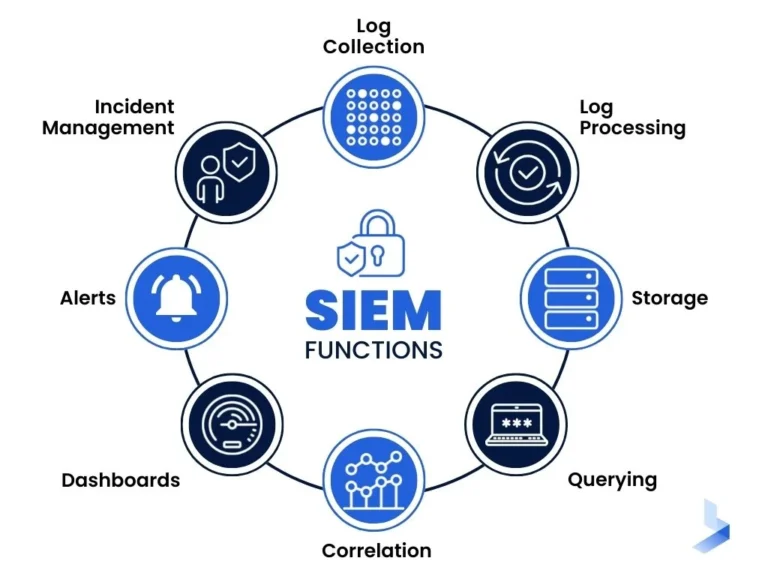
Security Information and Event Management — a technology that collects, monitors, and analyzes security data from across an organization’s entire IT infrastructure in real time. It is a critical skillset in modern cybersecurity, combining log management, threat detection, and incident response into a single discipline. Organizations today face thousands of security events every day, and a trained SIEM analyst is the one who turns that noise into actionable intelligence. The industry is changing, and SOC (Security Operations Center) requirements are getting higher every year. For a good career, we are offering professional SIEM courses in Lahore, and with that, we are also offering online SIEM training classes for those students who want to learn SIEM and SOC analysis online.
PKR 20,000/-

Course Name
Mode of Training
Trainer
Starting Date
Timing
Days

Why Learn Security Information and Event Management from Pentestcraft

Recognized Certification

Attain a recognized certification in SIEM, validating your proficiency in visual communication and design principles.

Hands-On Learning

Engage in hands-on projects and practical exercises, honing your design skills and creativity through real-world applications.

Expert Instructors

Learn from experienced design professionals who share industry insights in mastering the art of SIEM.

Comprehensive Curriculum

Explore a comprehensive curriculum that covers design principles, software proficiency, and practical projects, ensuring you are well-rounded in SIEM.

Career Opportunities

Unlock diverse career prospects in the world of SIEM, from working in agencies to freelancing or pursuing in-house design roles.

Support and Community

Join a supportive learning environment and connect with a community of fellow designers, mentors, and peers who enhance your success and growth within the design community.

SIEM Course Outline

  • Understanding SIEM Concepts and Architecture
  • History and Evolution of SIEM Technology
  • SIEM Tools and Platforms Overview
  • Fundamentals of Log Management
  • Security Monitoring Theory and Lifecycle
  •  
  • Splunk Basics and Architecture
  • IBM QRadar Fundamentals
  • ELK Stack (Elasticsearch, Logstash, Kibana) for Log Analysis
  • Working with Log Sources and Data Onboarding
  • Dashboard Creation and Visualization
  •  
  • Log Source Integration (Firewalls, Servers, Endpoints)
  • Normalization and Parsing of Logs
  • Building Correlation Rules
  • Event Categorization and Severity Levels
  • Creating Effective Detection Use Cases
  •  
  • Understanding Indicators of Compromise (IOCs)
  • Creating Custom Alerts and Use Cases
  • Alert Triage Process
  • Reducing False Positives
  • MITRE ATT&CK Framework Mapping
  •  
  • Network Traffic Analysis Basics
  • Endpoint Detection and Response (EDR) Integration
  • IDS/IPS Log Analysis
  • Monitoring Cloud and On-Premise Environments
  • Real-Time Threat Visibility
  •  
  • Security Operations Center (SOC) Workflow
  • Incident Response Lifecycle (Detect, Contain, Eradicate, Recover)
  • Ticketing and Case Management
  • Reporting and Documentation Standards
  • Escalation Procedures and Playbooks
  •  
  • Proactive Threat Hunting Techniques
  • Log Forensics and Root Cause Analysis
  • Behavioral Analytics and Anomaly Detection
  • Working with Threat Intelligence Feeds
  • Advanced Correlation Scenarios
  •  
  • Building a SOC Analyst Portfolio
  • Resume and Interview Preparation for SOC Roles
  • Industry Certifications Overview (Splunk Core, QRadar, CompTIA CySA+)
  • Job Market and Freelancing Opportunities
  • Building a Successful SIEM/SOC Career
  •  

"Secure Your Future with the Skills the World Needs"

image1

Farakh Fareed

Meet Farakh Fareed, a dedicated cybersecurity professional and trainer with over 5 years of experience in cybersecurity, ethical hacking, and information security. With a strong passion for technology and cyber defense, Farakh has helped students and professionals develop practical skills in penetration testing, vulnerability assessment, and security best practices.

Known for his hands-on teaching approach and industry-focused training methods, he is committed to empowering learners with the knowledge required to tackle modern cybersecurity challenges. Through training, mentorship, and real-world security insights, Farakh strives to bridge the gap between theoretical concepts and practical cybersecurity implementation.